
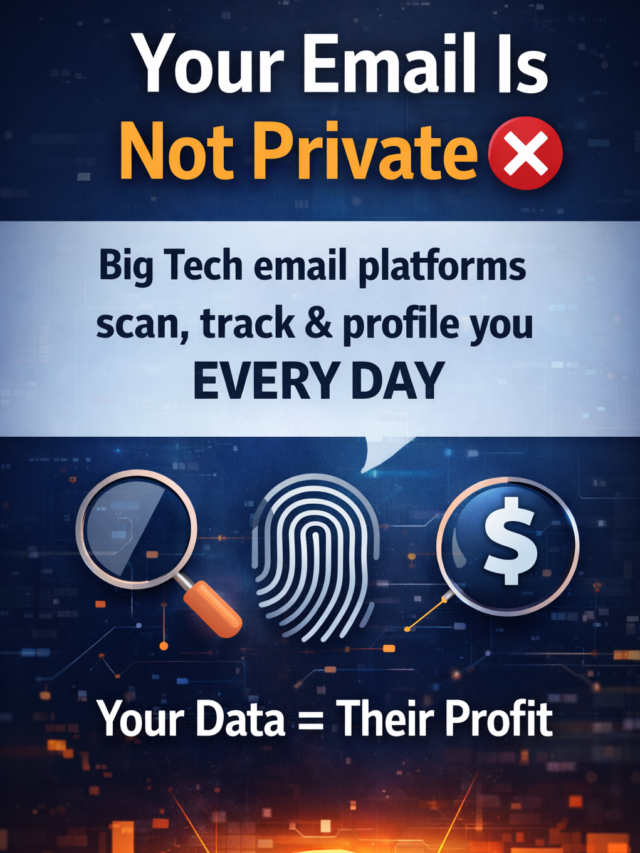

In an era where digital life is deeply intertwined with surveillance, data monetization, and algorithmic profiling, privacy has transformed from a niche concern into a mainstream demand. Users are no longer unaware of how their data is collected, tracked, and sold. Instead, they are actively seeking alternatives that respect confidentiality, security, and personal freedom.
One platform that strongly represents this shift is Tuta, a German-based encrypted email service built entirely around privacy-first principles. But Tuta is not just an email provider—it is a signal of a broader movement: the rise of privacy-centric apps.
This article explores Tuta in depth, explains why privacy-focused platforms are trending globally, and examines how this meta trend is reshaping the future of digital products.
The Problem with Traditional Email and Big Tech Platforms
For decades, email has been a fundamental communication tool. However, most mainstream email services rely on data extraction to fund their business models. Free platforms often monetize users through:
Behavioral tracking
Data profiling
Targeted advertising
Metadata analysis
Cross-platform surveillance
Major technology companies—including Google—offer email services that are deeply integrated into broader advertising ecosystems. Even when message content is protected, metadata such as sender, recipient, time, location, and device type often remain exposed.
This has raised serious concerns among journalists, activists, professionals, businesses, and everyday users who value privacy.
What Is Tuta? A Privacy-First Email Platform
Tuta (formerly known as Tutanota) is a Germany-based encrypted email provider designed to eliminate surveillance and tracking from digital communication.
Unlike traditional email services, Tuta was built from the ground up with security and privacy as its core architecture, not as optional add-ons.
Key Features of Tuta
- End-to-End Encryption by Default
All emails, calendars, and contacts are end-to-end encrypted. This means only the sender and recipient can read the content—not even Tuta.
- Anonymous Sign-Up
Users can create an account without providing personal information such as phone numbers or recovery emails, significantly reducing identity exposure.
- Two-Factor Authentication (2FA)
Tuta supports strong authentication mechanisms to protect accounts from unauthorized access.
- Post-Quantum Encryption
One of Tuta’s most advanced features is post-quantum cryptography, designed to remain secure even against future quantum computers—something very few consumer platforms currently offer.
- No Ads, No Tracking
Tuta’s platform is completely free of advertisements and third-party trackers. No behavioral profiling. No data harvesting.
- Transparent Jurisdiction
Based in Germany, Tuta operates under strict European privacy laws (GDPR), which are among the strongest in the world.
Free vs Paid Plans: How Tuta Scales
Tuta follows a sustainable, user-funded model rather than an ad-based one.
Free Plan:
1 GB encrypted storage
Core email features
Ideal for personal use
Paid Plans:
Up to 500 GB storage
Custom domains
Business-grade features
Priority support
This pricing structure aligns incentives correctly: users are the customers, not the product.
Tuta by the Numbers
Tuta’s growth reflects rising global concern about digital privacy:
10 million users worldwide
500,000+ downloads on Google Play
Strong adoption among privacy advocates, journalists, developers, and businesses
These numbers are significant for a platform that deliberately avoids aggressive marketing, tracking, or growth hacks.
The Bigger Picture: Why Privacy-Centric Apps Are Exploding
Tuta’s success is not isolated. It is part of a much larger macro trend driven by growing awareness of digital surveillance.
The Reality of App Tracking
In a real-world experiment, tech professionals installed 34 popular apps on a single Android device. Within just one month:
195,000 tracking attempts were recorded
Many apps tracked data even when not actively used
On iOS, studies show that over 72% of apps track user data, often sharing it with third parties.
Even more concerning:
Around 80% of dating apps may share or sell sensitive personal information
Location, preferences, habits, and behavioral patterns are routinely monetized
This has triggered a global shift in user behavior.
Privacy Is No Longer Optional
According to recent surveys:
86% of Americans report taking active steps to protect their digital privacy
Users increasingly reject “free” products that demand excessive personal data
Trust has become a competitive advantage
As a result, privacy-centric apps are no longer niche—they are mainstream.
Trending Privacy-Centric Apps Beyond Email
Tuta is part of a rapidly expanding ecosystem of privacy-focused tools across multiple categories.
- Private Note-Taking Apps
Traditional note apps often store content unencrypted on cloud servers.
Privacy-first alternatives include:
Notesnook – End-to-end encrypted notes with cross-platform sync
Joplin – Open-source note-taking with optional encryption
These apps ensure that personal thoughts, research, and work notes remain confidential.
- Private Search Engines
Search engines are one of the biggest data collection tools on the internet.
A notable alternative is:
Kagi – A paid, ad-free search engine that does not log searches or track users
Kagi flips the traditional model: users pay directly, eliminating the need for ads and surveillance.
- Tracking-Free Live Streaming
Mainstream streaming platforms rely heavily on ads and behavioral analytics.
An emerging alternative:
Owncast – A self-hosted live streaming solution that allows creators to broadcast without tracking or ads
Unlike platforms such as YouTube or Twitch, Owncast gives full control to the creator.
Why Germany and Europe Are Leading This Movement
Many privacy-centric platforms—including Tuta—are based in Europe. This is not accidental.
Key reasons include:
Strong privacy regulations (GDPR)
Cultural emphasis on data protection
Legal limits on surveillance and data resale
Higher public awareness of digital rights
This regulatory environment allows privacy-first companies to innovate without compromising their principles.
Post-Quantum Encryption: Preparing for the Next Threat
One of Tuta’s most forward-looking decisions is adopting post-quantum encryption.
Why This Matters
Quantum computers, once fully developed, could theoretically break many of today’s encryption standards. Platforms that fail to prepare risk exposing years of stored communications.
By implementing quantum-resistant algorithms early, Tuta ensures:
Long-term confidentiality
Future-proof security
Trust for sensitive communications
This level of preparation is rare in consumer products.
The Business Case for Privacy
Privacy-centric apps are not just ethically appealing—they are economically viable.
Key advantages include:
Higher user trust
Strong brand loyalty
Lower regulatory risk
Sustainable revenue models
Community-driven growth
As governments tighten data protection laws, companies that already respect privacy will have a major advantage.
What’s Next for Tuta and Privacy-First Technology
Looking ahead, several developments are likely:
Increased adoption by businesses seeking secure communication
Integration with privacy-first ecosystems (calendars, cloud storage, collaboration tools)
Rising demand from emerging markets where digital trust is low
Mainstream normalization of paid, ad-free software
Tuta is well positioned to benefit from all of these shifts.
Conclusion: Privacy Is the New Premium
The internet is entering a new phase—one where privacy is no longer a luxury, but a baseline expectation.
Tuta represents a growing class of digital platforms that reject surveillance capitalism in favor of transparency, security, and user respect. Alongside privacy-centric note apps, search engines, and streaming tools, it highlights a future where users regain control over their data.
As tracking increases and trust erodes, platforms that prioritize privacy will not just survive—they will lead.
In that sense, Tuta is not just an email service.
It is a blueprint for the next generation of the internet.